
How Did Zillow Become the Undisputed King of Real Estate Search?
When you search for “homes for sale in [your city],” there’s a 44% chance you’ll click on a Zillow result. This isn’t by accident—it’s the result of one of the most sophisticated programmatic SEO strategies ever executed in the real estate industry.
Zillow has systematically created over 120 million property pages that collectively generate nearly 2 billion annual visits. By automating the creation of location-based landing pages for every conceivable property search combination, Zillow transformed from a startup into a $2.23 billion revenue powerhouse.
Key Insight: Zillow receives approximately 35 million Googlebot hits daily, with most traffic directed to their constantly-updating property pages—demonstrating how dynamic content at scale drives sustained organic visibility.
This case study reveals exactly how Zillow built their programmatic SEO empire, the specific strategies they used, and how you can apply similar principles to dominate your own market.
What Makes Zillow’s URL Architecture So Powerful for SEO?
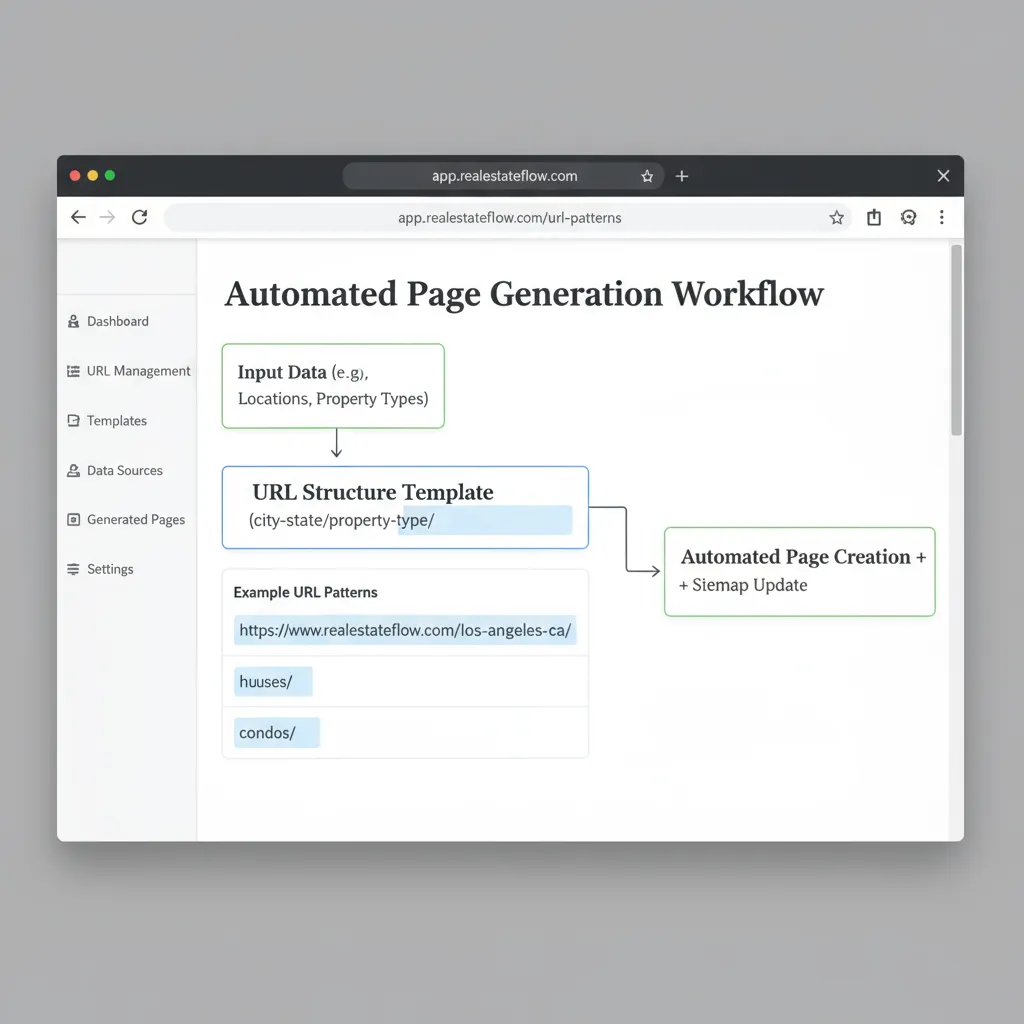
Zillow’s programmatic SEO success starts with their systematic URL structure that captures every possible property search intent. Their pages follow predictable patterns that Google can easily understand and index:
- City-State Pages:
/los-angeles-ca/,/miami-fl/ - Property Type Filters:
/los-angeles-ca/houses/,/los-angeles-ca/condos/ - Lifestyle Filters:
/los-angeles-ca/luxury-homes/ - Bedroom Specifications:
/los-angeles-ca/4-bedrooms/ - Individual Properties:
/homedetails/{address}/{zpid}/
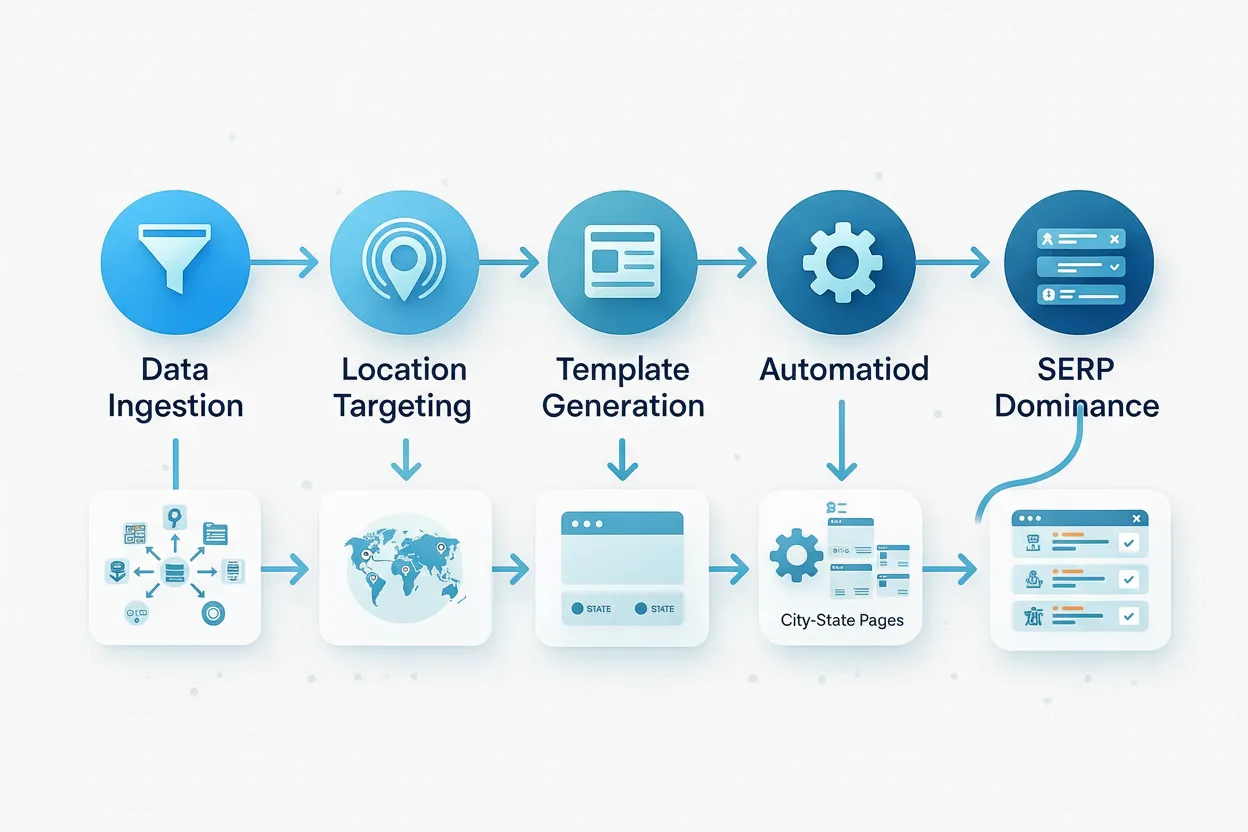
This structure allows Zillow to automatically generate thousands of landing pages for each major city. For example, a single city like Los Angeles generates dozens of programmatic pages targeting different search intent—from broad location searches to highly specific property type queries.
The genius lies in the scalability: once the template system is built, adding a new city means automatically creating all possible page combinations for that location. This systematic approach has enabled Zillow to maintain 44% market share in portal traffic across the United States.
How Does Zillow Handle Technical SEO at Enterprise Scale?
Managing 120 million pages requires sophisticated technical infrastructure. According to former Zillow SEO Director Kristan Bauer, Zillow’s technical SEO strategy focuses on three critical areas:
Dynamic Content Management: Property listings change daily—prices update, photos refresh, and availability shifts. Zillow’s system ensures Google can efficiently crawl these constantly changing elements without overwhelming their servers.
Indexing Strategy: With millions of pages, determining which content deserves Google’s attention becomes crucial. Zillow prioritizes active listings and high-traffic location pages while managing crawl budget for less critical content.
Testing Frameworks: Enterprise SEO requires systematic testing. Zillow implements controlled experiments across page segments to measure the impact of changes before rolling them out site-wide.
Technical Advantage: Google crawls real estate sites aggressively because property listings have short lifecycles—some properties sell within days. Zillow’s infrastructure is optimized to handle this high-frequency crawling while maintaining site performance.
The result? Zillow maintains #39 ranking globally with over 236 million monthly visits, demonstrating how technical excellence supports content strategy at scale.
What Role Does Data Integration Play in Zillow’s Success?
Zillow’s programmatic pages aren’t just URL variations—they’re powered by comprehensive real estate data that creates unique, valuable content for each location. This data-driven approach differentiates Zillow from competitors who might create thin, templated pages.
| Data Source | Purpose | SEO Impact |
|---|---|---|
| MLS Listings | Active property inventory | Fresh, unique content daily |
| Zestimate Algorithm | Property valuations | Exclusive data users can’t find elsewhere |
| Market Analytics | Neighborhood trends | Comprehensive location insights |
| User Behavior | Search patterns | Content optimization based on demand |
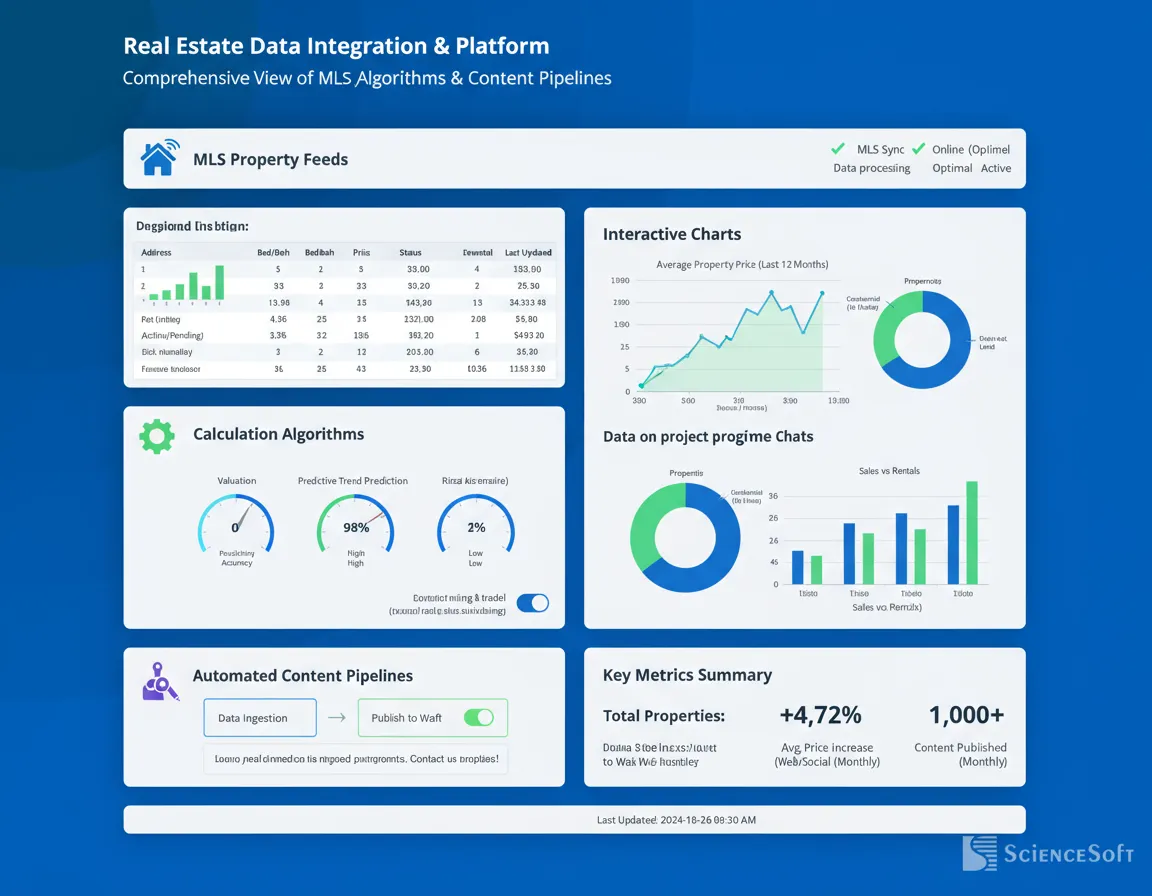
The integration happens automatically: when a new property enters the MLS, Zillow’s system creates or updates relevant location pages, ensuring content stays current and valuable. This automation allows Zillow to maintain content quality across millions of pages without manual intervention.
Each programmatic page includes neighborhood-specific data, recent sales, price trends, and local market insights. This depth of information ensures pages provide genuine value beyond simple property listings, satisfying Google’s quality guidelines for programmatic content.
Data Advantage: Zillow’s Zestimate algorithm processes over 100 data points per property, creating unique valuations that can’t be found elsewhere—giving users a compelling reason to visit and return to their pages.
How Can You Implement Zillow’s Programmatic SEO Strategy?
Zillow’s approach offers valuable lessons for any business looking to scale SEO through automation. Here are the key implementation principles:
Start with Data Structure: Identify your core data entities and the logical relationships between them. For Zillow, this means properties, locations, and user search patterns. Your business might focus on products, services, or geographic markets.
Design Scalable URL Patterns: Create URL structures that can automatically expand as your data grows. Follow Zillow’s model of logical hierarchies that both users and search engines can easily navigate.
Prioritize Content Quality: Avoid thin pages by ensuring each programmatic page provides unique value. Zillow succeeds because their location pages offer genuine market insights, not just templated content.
Build Technical Infrastructure: Invest in systems that can handle dynamic content updates and manage crawl budget effectively. This becomes critical as your page count scales.
The key is systematic execution: build your templates, populate with quality data, and scale gradually while monitoring performance metrics. Most businesses don’t need 120 million pages to see results—start small with a few hundred targeted pages, measure performance, then scale based on what works in your specific market.
What’s the Ultimate Lesson from Zillow’s SEO Dominance?
Zillow’s programmatic SEO success demonstrates that automation and quality aren’t mutually exclusive. By systematically creating valuable, data-driven content at scale, they’ve built an unassailable competitive advantage in real estate search.
Their approach required significant technical investment and careful planning, but the results speak for themselves: 2.4 billion quarterly visits and market dominance that continues to grow year over year.
The real lesson isn’t about creating millions of pages—it’s about understanding your users’ search intent, building systems to serve that intent at scale, and maintaining quality throughout the process. Whether you’re in real estate, e-commerce, or local SEO, these principles can transform your organic search performance.