
How Did Zapier Transform from a Simple Automation Tool to a Traffic Powerhouse?
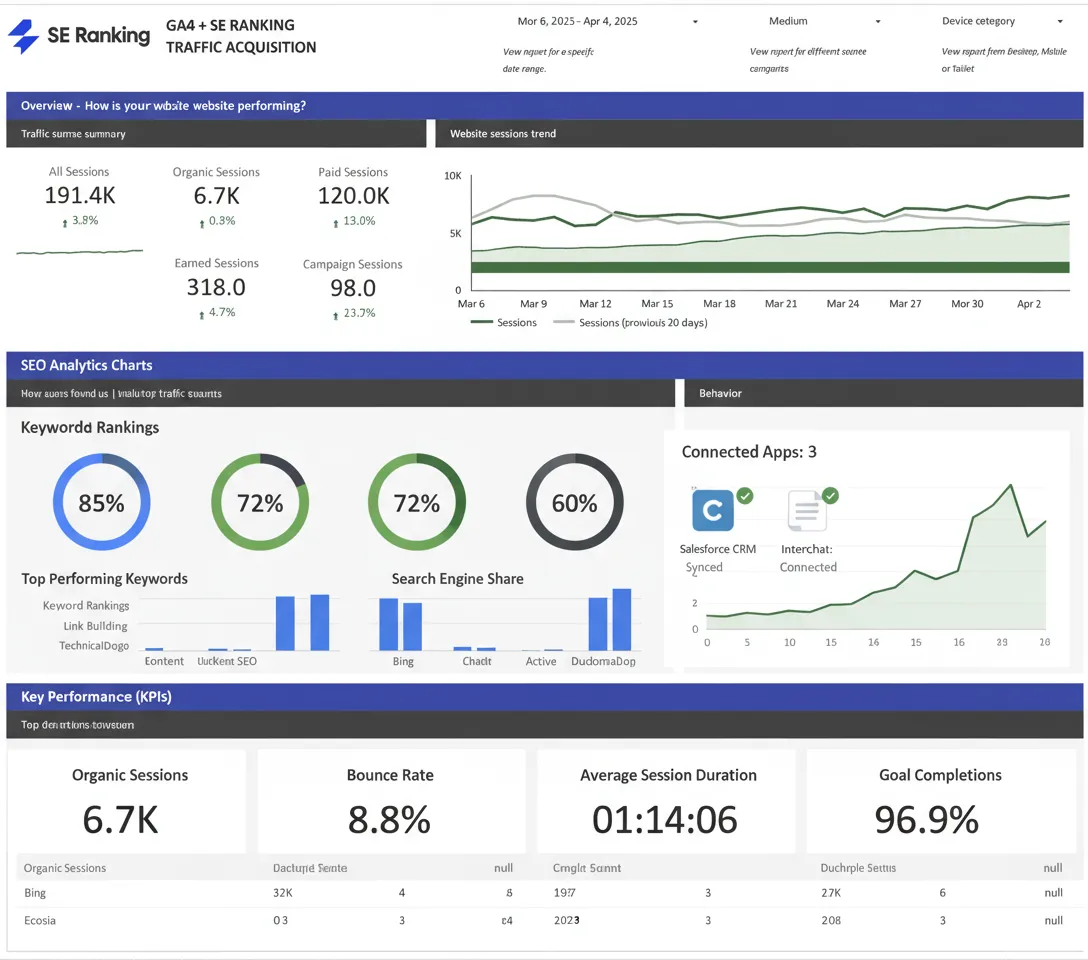
In the competitive landscape of SaaS tools, where customer acquisition costs continue to rise, Zapier discovered a different path to growth. Instead of relying heavily on paid advertising, they built a content machine that now attracts over 9 million monthly organic visitors through an ingenious programmatic SEO strategy.
Zapier’s challenge was unique: how do you market an automation platform that connects thousands of different applications? The solution wasn’t just creating content about automation—it was creating thousands of targeted pages that directly addressed every possible app integration scenario their users might search for.
Key Insight: Zapier generated more traffic from their programmatic SEO strategy than most companies achieve through their entire marketing budget, proving that strategic automation can outperform traditional advertising approaches.
This systematic approach to content creation has become a blueprint for SaaS companies looking to scale organic traffic without proportionally scaling their content teams.
What URL Patterns Drive Zapier’s Massive Organic Traffic?
Zapier’s programmatic SEO success centers around three primary URL structure patterns that systematically capture search intent across their entire app ecosystem:
Primary URL Structures:
/apps/{app-name}/integrations- Individual app integration pages/apps/{app1}/integrations/{app2}- Specific two-app integration pages/apps/categories/{category}- Category-based app collections
The genius lies in how these patterns scale. With over 7,000 supported applications, Zapier can theoretically create millions of unique page combinations. Each page targets specific long-tail keywords like “Gmail Slack integration” or “productivity apps integrations.”
For example, their page at /apps/gmail/integrations/slack specifically targets users searching for ways to connect Gmail and Slack—a highly commercial intent query that converts well for their automation platform.
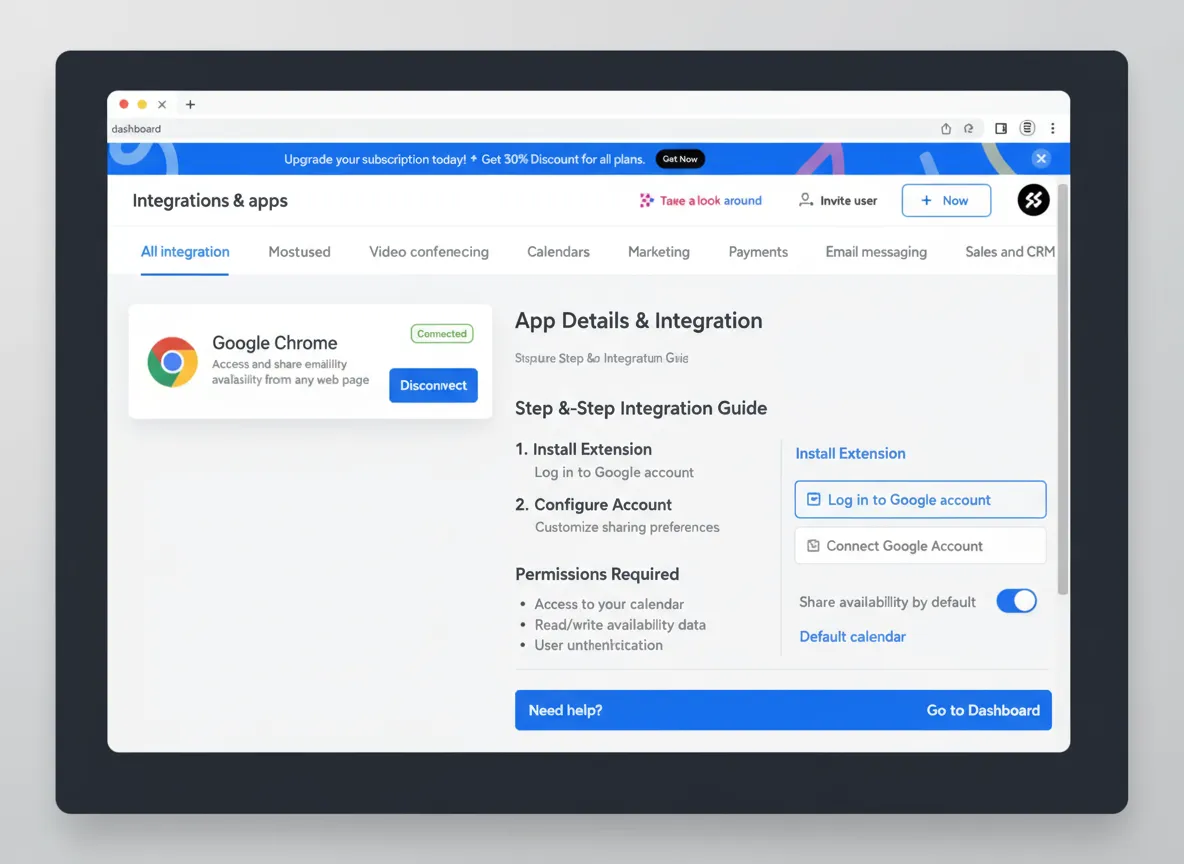
Strategic Advantage: This URL structure allows Zapier to automatically generate thousands of landing pages whenever new apps join their platform, creating an exponential content scaling effect.
How Does Zapier’s Content Strategy Convert Visitors into Users?
Zapier’s programmatic pages aren’t just SEO traffic magnets—they’re conversion-optimized landing pages designed to guide users toward their automation platform.
Each integration page follows a consistent template structure:
- Clear value proposition for the specific app combination
- Step-by-step setup instructions for the integration
- Popular automation templates (“Zaps”) users can implement
- Related integrations to encourage exploration
- Call-to-action buttons directing to account creation
According to Ahrefs data, Zapier’s blog alone generates traffic worth approximately $3.7 million monthly, representing 67.5% of their total organic traffic.
The strategic brilliance is that these pages solve immediate user problems while introducing Zapier as the solution. Someone searching “how to integrate Trello with Gmail” lands on a page that not only explains the process but provides a ready-made automation template.
What Technical Infrastructure Powers This Scale?
Building thousands of programmatic pages requires robust technical infrastructure that can automatically generate, update, and maintain content at scale.
| Component | Implementation | Purpose |
|---|---|---|
| Database | App metadata & integration details | Content source for page generation |
| Templates | Standardized page layouts | Consistent user experience |
| Automation | Dynamic content population | Scale without manual creation |
| Internal Linking | Cross-page connection system | SEO authority distribution |
Zapier leverages their existing app directory database to automatically populate page templates with relevant information. When a new app joins their platform, the system can instantly generate dozens of integration pages by combining it with existing apps in their directory.
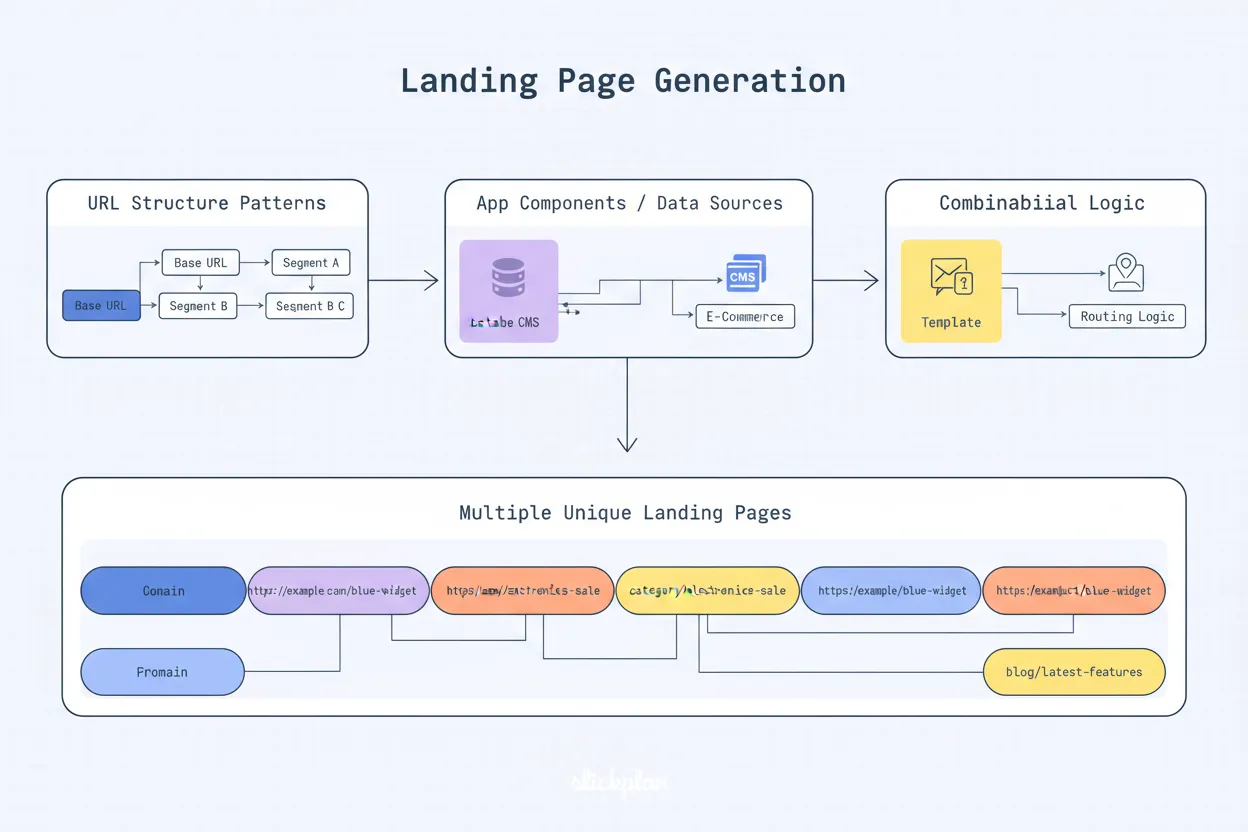
This automation extends beyond just page creation. The system likely updates integration details, popularity metrics, and related suggestions based on user behavior data and app usage patterns.
Implementation Insight: The key to Zapier’s success isn’t just having data—it’s systematically transforming that data into SEO-optimized landing pages that solve specific user problems.
What Results Has This Strategy Delivered for Zapier?
The measurable impact of Zapier’s programmatic SEO strategy demonstrates the power of systematic content creation at scale.
Traffic Growth Metrics:
- Monthly organic visits: 9+ million
- Blog traffic value: $3.7 million monthly
- Thousands of long-tail keyword rankings
- Significant reduction in customer acquisition costs
The strategy has created a sustainable growth engine that compounds over time. Each new app integration doesn’t just add functionality—it creates dozens of new SEO-optimized pages that can rank for relevant searches.
This organic traffic strategy has enabled Zapier to scale to over $100 million in annual recurring revenue while maintaining lower customer acquisition costs than competitors relying primarily on paid advertising.
Beyond direct traffic, these pages create a comprehensive resource that establishes Zapier as the definitive authority on app integrations, supporting their broader market positioning and brand recognition.
How Can You Implement Zapier’s Programmatic SEO Approach?
Zapier’s programmatic SEO success offers a replicable framework for companies with structured data and clear user intent patterns. The key isn’t just creating thousands of pages—it’s creating thousands of valuable pages that genuinely solve user problems.
To implement a similar strategy, start by identifying your data assets and the search patterns your users follow. Whether you’re managing a directory, marketplace, or service platform, you likely have structured information that can be systematically transformed into valuable landing pages.
The technical implementation requires investment in automation tools and content management systems, but the long-term payoff can be substantial. Companies following this approach often see organic traffic growth that far exceeds what traditional content strategy can achieve.
Remember that programmatic SEO isn’t about gaming search engines—it’s about efficiently creating genuinely useful content at scale. Zapier’s success comes from solving real integration problems for users, not just targeting keywords.