

How Did Airtable Transform Template Discovery Into a Traffic Goldmine?
When productivity software companies compete for visibility, most rely on traditional content marketing and paid advertising. But Airtable took a different approach that fundamentally changed how users discover and access their platform.
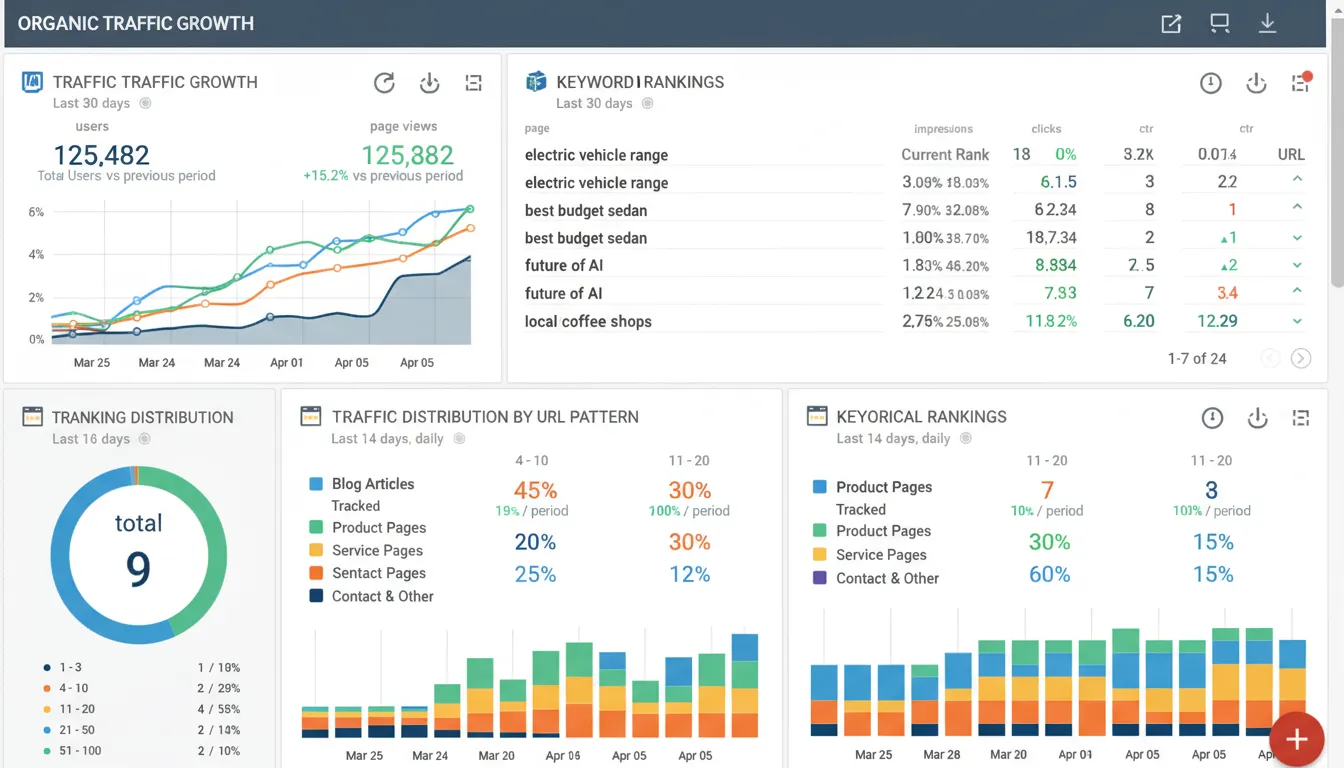
By implementing a sophisticated programmatic SEO strategy focused on template and category automation, Airtable generated 495,700 monthly organic visitors — without manually creating thousands of individual pages.
The strategy centers on four key URL patterns that automatically generate highly targeted landing pages:
/templates/{category}/for category-specific template collections/templates/{template-name}/{unique-id}/for individual template pages/universe/category/{category-name}/for community-shared templates/guides/{category}/{topic}/for educational content
Key Insight: Airtable’s programmatic SEO success stems from understanding that users search for specific solutions (“project tracker template,” “expense tracking template”) rather than generic software features. This insight drove their entire automation strategy.
What Makes Airtable’s Template Automation Strategy So Effective?
Airtable’s programmatic approach revolves around creating highly specific landing pages that match user search intent. Instead of directing all template searches to a generic templates page, they built an automated system that generates individual pages for each template type and category.
The system works by maintaining a structured database of templates, each tagged with relevant categories, use cases, and industries. When a new template is added to their system, the automation automatically:
- Creates dedicated URL paths following their established patterns
- Generates SEO-optimized meta descriptions and titles
- Pulls relevant template previews and descriptions
- Cross-links related templates and categories
This approach allows them to target long-tail keywords like “marketing campaign tracker template” or “small business inventory template” that competitors often miss. According to their traffic analysis, these template pages generate significant organic traffic by capturing users at the exact moment they’re searching for specific solutions.
How Does Their Category-Based URL Structure Drive Discovery?
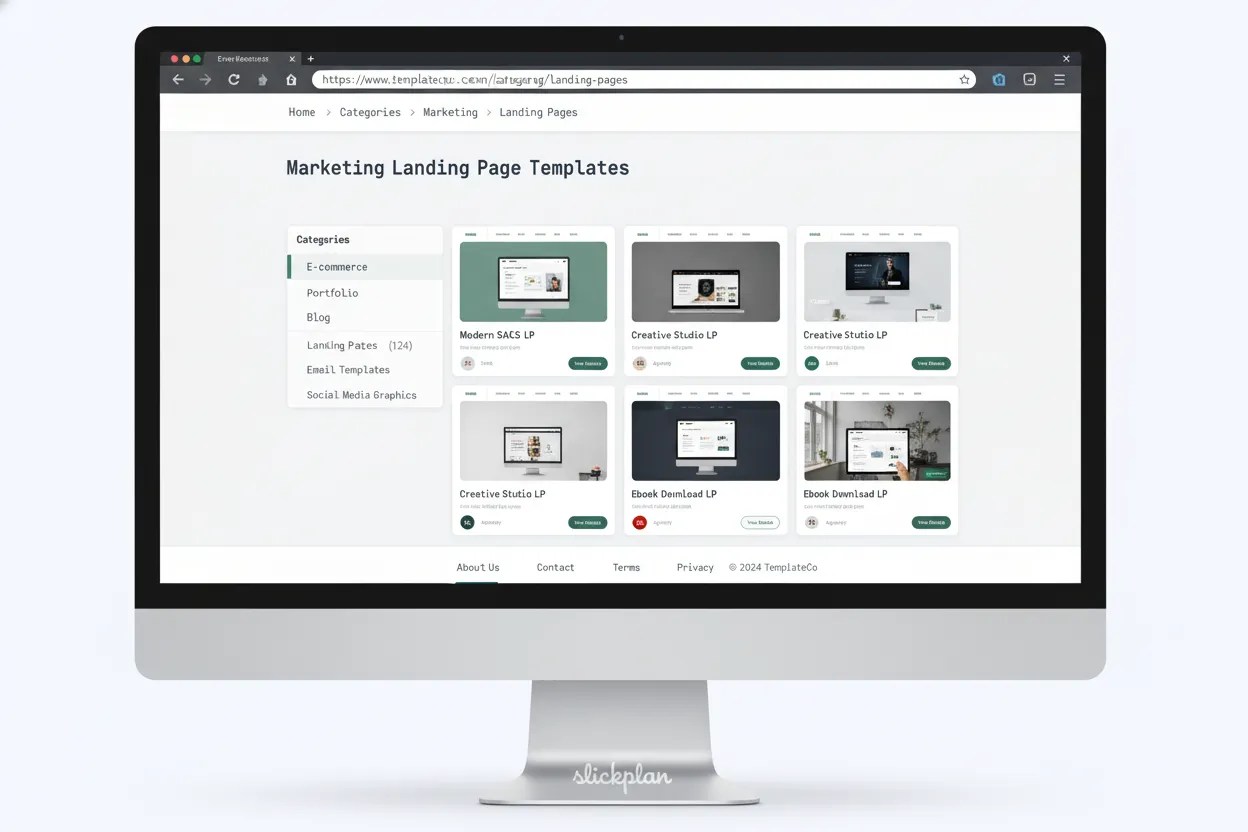
Airtable’s URL structure follows a logical hierarchy that both users and search engines can easily navigate. Their /templates/{category}/ pattern creates dedicated landing pages for broad categories like “marketing,” “project management,” and “HR,” while the /templates/{template-name}/{unique-id}/ structure provides specific pages for individual templates.
This dual-layer approach serves two critical functions: category pages capture broader search terms while individual template pages target specific long-tail queries. The unique identifier system ensures each template has a permanent, indexable URL even if the template name changes.
| URL Pattern | Purpose | Example Keywords Targeted |
|---|---|---|
/templates/marketing/ | Category overview | ”marketing templates,” “marketing tools” |
/templates/project-tracker/exp123/ | Specific template | ”project tracker template,” “project management template” |
/universe/category/travel/ | Community templates | ”travel planning templates,” “trip planning tools” |
The /universe/category/{category-name}/ pattern extends this strategy to user-generated content, creating additional entry points for niche use cases that Airtable’s official templates might not cover.
What Role Does Content Automation Play in Their Success?
Beyond URL structure, Airtable automated the content generation process to ensure consistency and scalability. Each programmatically generated page follows a standardized template that includes:
- Template preview and description
- Use case explanations specific to the template type
- Industry applications and benefits
- Related templates and categories
- Clear calls-to-action for template usage
Automation Advantage: By standardizing their content structure, Airtable ensures every generated page meets SEO best practices while maintaining high user value. This consistency helps build topical authority across their entire template ecosystem.
The /guides/{category}/{topic}/ pattern adds an educational layer to their strategy, automatically generating how-to content that supports template discovery. These guide pages target informational searches and naturally link to relevant templates, creating a comprehensive content funnel.
How Can You Implement Similar Template-Based Programmatic SEO?
Airtable’s success demonstrates that programmatic SEO works best when aligned with your core product offering. For SaaS companies, the template approach can be adapted to various content types:
Essential Implementation Steps:
- Audit your existing resources - Identify templates, tools, or resources that could benefit from individual landing pages
- Research keyword patterns - Find search terms that follow predictable structures around your content
- Design URL hierarchies - Create logical patterns that support both broad and specific searches
- Automate content generation - Build systems that populate template-based pages with relevant, unique content
- Monitor and optimize - Track performance and refine your automation rules based on traffic data
The key is starting with content that already provides user value — like Airtable’s templates — rather than creating pages solely for SEO purposes. Airtable’s own guidance on SEO management emphasizes the importance of aligning SEO strategy with product value.
What Can We Learn from Airtable’s 495K Monthly Visitor Success?
Airtable’s programmatic SEO achievement demonstrates that automation becomes powerful when it serves genuine user needs. Their template-focused approach works because people actively search for specific productivity solutions, not generic software features.
The 495,700 monthly organic visitors represent more than traffic numbers — they represent qualified users discovering relevant templates at the exact moment they need them. This alignment between search intent and content delivery creates a sustainable competitive advantage that compounds over time.
For companies considering programmatic SEO, Airtable’s strategy offers a clear blueprint: identify your most valuable user-facing content, understand how people search for it, then build automated systems that scale that content intelligently. The technical implementation matters less than ensuring every generated page genuinely helps users accomplish their goals.